Latex Gloves for Laboratories
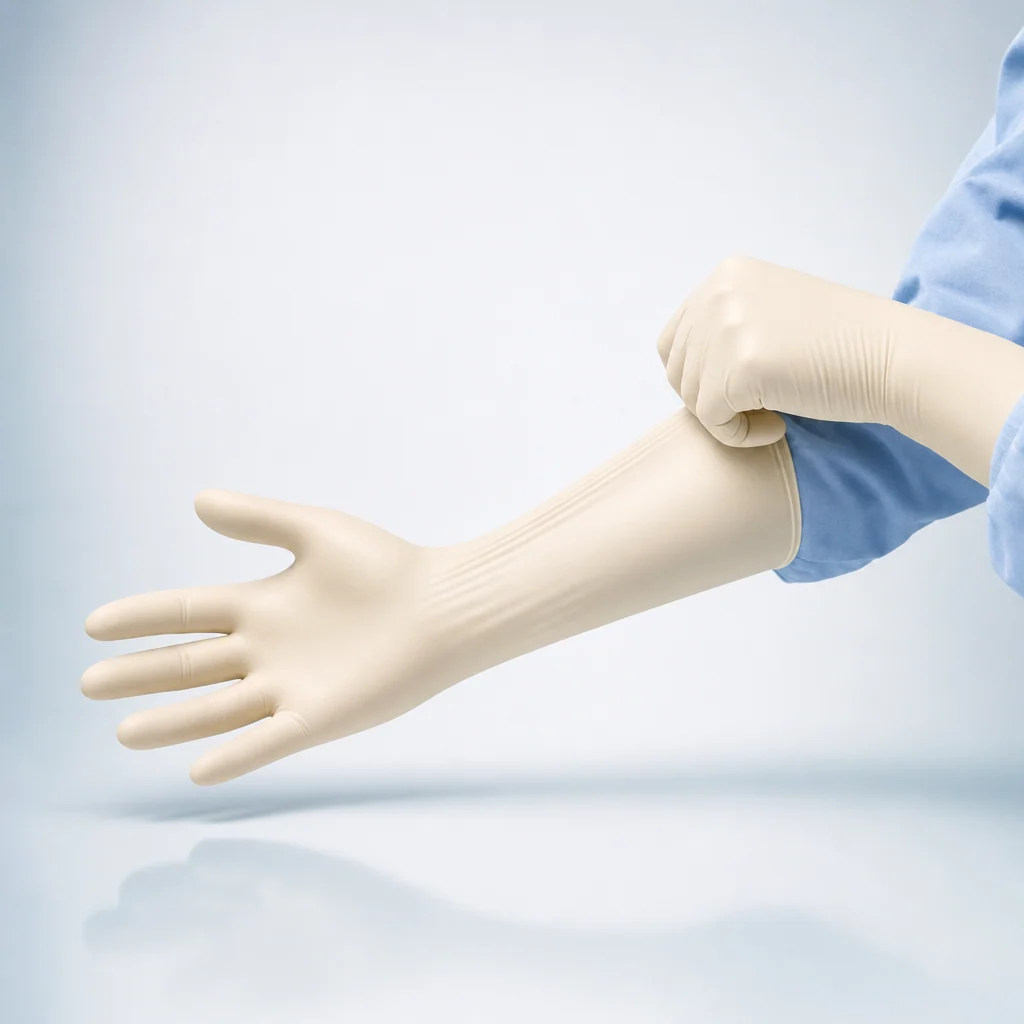
PharmShield latex gloves for laboratories are powder-free natural rubber gloves built for dexterity-critical bench work — fine sample handling, instrument and slide preparation, and the delicate manipulation where tactile feedback drives accuracy. Latex remains the most sensitive glove material, with the elastic second-skin fit that fine lab work rewards. Every glove is made to AQL 0.65, double-chlorinated for clean powder-free donning, and available sterile for culture and cleanroom benches. Latex protein allergy is real, so where it must be avoided our nitrile range is the latex-free alternative. If you're matching a glove to a lab protocol, this is the starting point.
 Latex · Laboratories
Why laboratories choose latex gloves
Latex earns its place at the bench through feel — for the fine, manual tasks where a thicker or stiffer glove costs accuracy. But it must be powder-free, biocompatible and honest about allergy. Laboratory-grade latex is engineered against four concerns.
Best-in-class tactile feel
Natural rubber latex gives the highest tactile sensitivity and the closest second-skin fit. For micro-manipulation, slide and sample prep and fine instrument work, that translates into steadier handling and fewer errors.
Powder-free, low-contamination donning
Powder skews assays and shedding aerosolises protein. PharmShield latex is powder-free and double-chlorinated, so it dons cleanly without dusting starch onto samples, balances or optics.
Sterile options for culture work
For microbiology, tissue culture and cleanroom benches, individually packed ETO and gamma sterile latex grades validated to SAL 10⁻⁶ keep the glove from contaminating the sample.
Allergy managed, alternative offered
Type I latex-protein allergy is an occupational hazard. PharmShield latex is processed to control extractable protein; where allergy must be removed entirely, the latex-free nitrile range is the direct substitute.
Built to the Laboratories spec.
The right configuration for Laboratories.
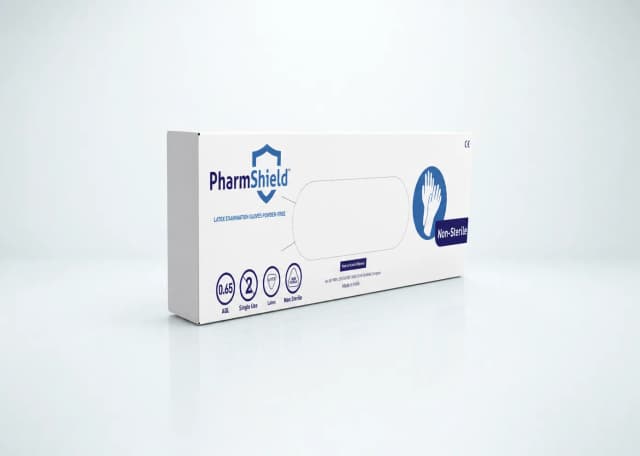
Latex — Dispenser Packed
High-Tactile Powder-Free · Non-Sterile · Bench Dispensing
View Detailschevron_right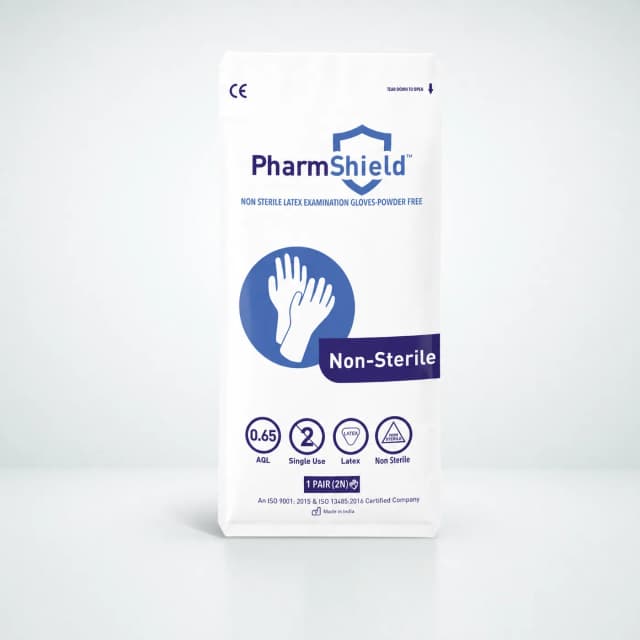
Latex — Individually Packed
Non-Sterile · Single-Pair Pouch · Controlled Issue
View Detailschevron_right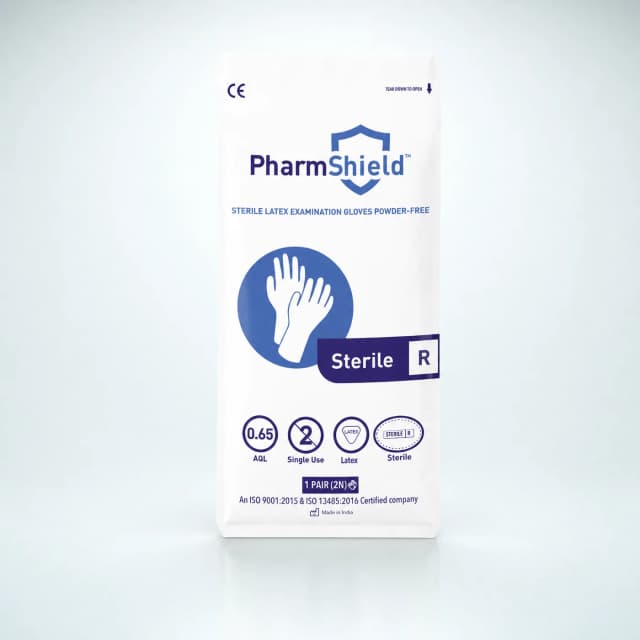
Latex — ETO Sterile
Individual Sterile Pouch · SAL 10⁻⁶ · Culture & Microbiology
View Detailschevron_rightLatex gloves for Laboratories — FAQ
It depends on the task. Latex gives the best tactile feel and fit, which suits fine micro-manipulation and sample prep. Nitrile gives better chemical and puncture resistance and is latex-free. For dexterity-led work with allergy managed, latex is preferred; for chemical handling or allergy avoidance, choose nitrile.
Yes. Powder can skew sensitive assays and carries aerosolised latex protein. Powder-free, double-chlorinated latex dons cleanly without dusting starch onto samples, balances or optics, and lowers the protein-exposure route for staff.
Type I latex-protein allergy is a genuine occupational risk. Our latex is processed to control extractable protein, but where allergy must be eliminated we recommend the latex-free nitrile range, which is available in the same non-sterile and sterile bench grades.
Sourcing latex gloves for laboratories?
Send us your process, your standards and your volumes — our team will respond with the right configuration, a spec sheet and bulk pricing.